
Understanding the Highlighter Manufacturing Process
As a prominent highlighter manufacturer, it is crucial to understand the intricate processes involved in the production of highlighters. From sourcing raw materials to the final quality checks, every step is essential in ensuring that the highlighters meet the expectations of both retailers and consumers.
Raw Materials Used in Highlighter Production
The manufacturing of highlighters involves several key raw materials, each contributing to the overall quality and performance of the final product. The most common components include:
- Dyes and Pigments: These are responsible for the vibrant colors found in highlighters. Manufacturers often use fluorescent dyes to enhance visibility.
- Alcohol or Water: The solvent used in highlighter ink can be alcohol-based or water-based, affecting drying time and ink flow.
- Plastic for Casings: The outer casing of the highlighter is typically made from durable plastic, which can be produced in a variety of colors and designs.
- Felt Tips: The tip of the highlighter, often made of felt or a similar material, must allow for smooth ink flow and consistent marking.
The Importance of Quality Control in Manufacturing
Quality control is paramount in the highlighter manufacturing process. Each batch of highlighters undergoes rigorous testing to ensure that they meet industry standards. This includes:
- Ink Consistency: Tests are performed to check the flow and saturation of the ink.
- Durability: Highlighters are subjected to stress tests to ensure they withstand regular use without malfunctioning.
- Color Fastness: Manufacturers verify that the colors do not fade or bleed over time.
Innovations in Highlighter Design and Functionality
Innovation plays a significant role in the highlighter market. Recent trends include the development of erasable highlighters that allow users to make corrections easily. Additionally, the introduction of softer colors, such as those found in the macaron color series, caters to consumer demand for a more subtle highlighting experience.
Different Types of Highlighters and Their Applications
Traditional Highlighters: A Classic Choice
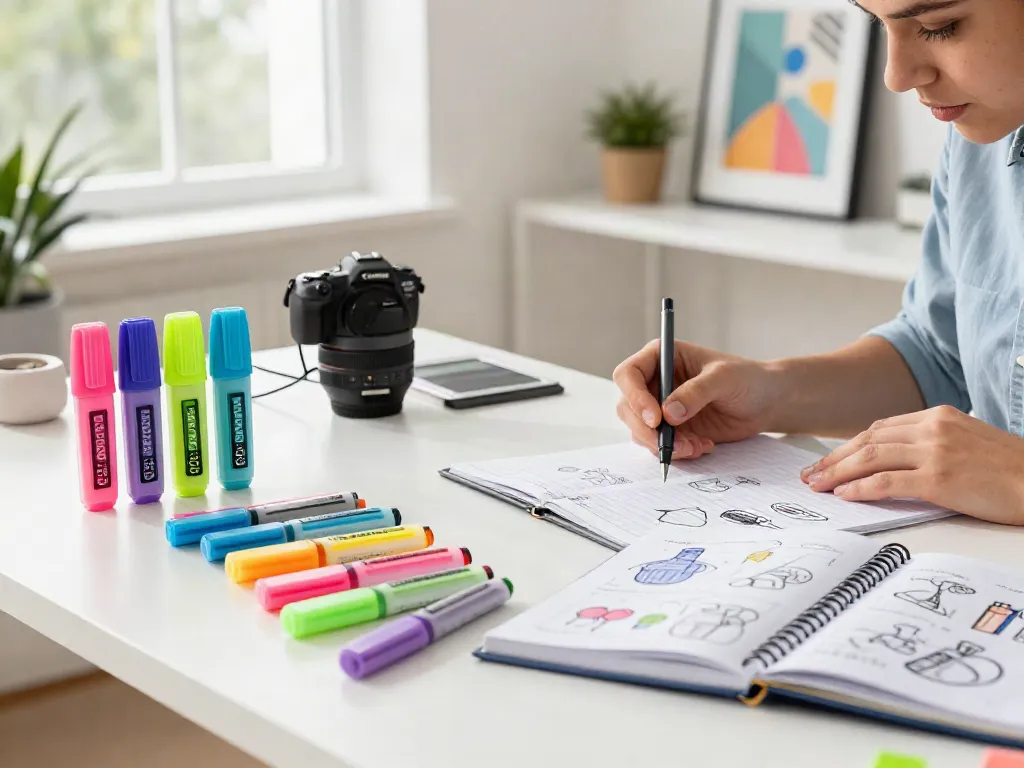
Traditional highlighters come in a variety of colors, typically including pink, blue, green, yellow, orange, and purple. These colors are ideal for marking important text in books, documents, and notes, providing clarity and emphasis for studying and presentations.
Erasable Highlighters for Flexibility in Work
Erasable highlighters have emerged as a popular option among students and professionals alike, as they offer the ability to make changes without leaving a trace. This flexibility is particularly beneficial in academic and work environments where revisions are frequent.
Exploring the Latest Macaron Color Series
The macaron color series is a fresh take on highlighter aesthetics, featuring softer, pastel shades. These highlighters tend to be less intrusive than their fluorescent counterparts, making them ideal for users who prefer a more understated highlighting approach.
Market Trends for Highlighter Manufacturers in 2026
Demand for Eco-Friendly Highlighters
As environmental awareness grows, consumers are increasingly seeking eco-friendly alternatives in stationery. Highlighter manufacturers are responding by developing products made from sustainable materials and biodegradable inks, appealing to a market that values sustainability.
Consumer Preferences: Color and Usability
Consumer preferences are shifting towards more vibrant and diverse color offerings. Manufacturers are expected to continue innovating to include a broader spectrum of colors while ensuring that usability remains at the forefront of their designs.
Technological Advancements Impacting the Industry
Technological advancements continue to impact highlighter design and production. Automation in manufacturing processes leads to precision in production and better quality control, ensuring highlighters meet customer demands efficiently.
Best Practices for Highlighter Manufacturers
Strategies for Enhancing Product Visibility
In a competitive market, highlighter manufacturers must be proactive in enhancing product visibility. Strategies may include:
- Engaging Online Presence: Establishing a strong digital footprint through social media and e-commerce platforms.
- Creative Marketing: Utilizing innovative marketing strategies that highlight unique product features.
- Effective Packaging: Design packaging that stands out on retail shelves.
Effective Marketing Techniques for Stationery Brands
Stationery brands can leverage various marketing techniques to promote highlighters, such as influencer partnerships, educational content, and promotional giveaways. Understanding target demographics is key to effective marketing.
Building Customer Loyalty Through Quality Products
Quality assurance and consistent performance are vital for building customer loyalty. Highlighter manufacturers should prioritize customer feedback and continuously improve their products based on user experiences.
Future Predictions for the Highlighter Industry
Emerging Trends in User Demands
User demands in the highlighter market are continuously evolving. Future trends may include a demand for multifunctional highlighters and innovative designs that integrate digital technology, such as smart highlighters that interface with apps.
Potential New Market Opportunities
With remote work becoming more prevalent, highlighter manufacturers could explore avenues within the stationary kits marketed to professionals who work from home. Product bundles that include traditional and erasable options could appeal to this audience.
Industry Challenges and How to Overcome Them
The highlighter manufacturing industry faces challenges such as fluctuating raw material prices and increasing competition. To remain competitive, manufacturers must adopt agile production methods and invest in research and development.
What are the top highlighter manufacturers?
Leading players in the highlighter market include well-established companies with a track record for quality. These manufacturers are known for their innovative products and strong brand loyalty.
How are highlighters made?
The manufacturing process includes several stages: material selection, ink formulation, assembly, and quality testing. Understanding this process can provide insights into product quality and reliability.
What should I consider when choosing a highlighter?
When selecting a highlighter, consider factors such as ink type, tip size, color selection, and whether it meets any specific needs, like erasability or eco-friendliness.
Are there eco-friendly highlighters?
Yes, many manufacturers are now producing eco-friendly highlighters that use sustainable materials and biodegradable inks. This trend supports the growing consumer demand for environmentally responsible products.
What innovations are shaping the highlighter market?
Innovations such as erasable highlighters, broader color palettes, and smart technology integrations are notably shaping the highlighter market, catering to diverse consumer needs and preferences.