Understanding the Basics of Amateur Radio Licensing
What is Amateur Radio?
Amateur radio, often referred to as "ham radio," is a popular hobby that allows individuals to communicate with others across the globe using radio frequency (RF) spectrum. This form of communication is not limited to voice transmissions; it also includes digital modes, Morse code, and image transmissions. Amateur radio operators, or "hams," use their skills to perform various tasks, from making long-distance contacts to providing emergency communications during disasters.
Importance of Licensing in Amateur Radio
Licensing is crucial in amateur radio for several reasons. First and foremost, it ensures that operators understand the technical and operational aspects of radio communication, which helps to minimize interference with other users of the RF spectrum. Additionally, licensing provides a framework for the legal operation of amateur stations, ensuring that operators adhere to guidelines set forth by regulatory bodies, such as the Federal Communications Commission (FCC) in the United States. By obtaining a license, hams demonstrate their commitment to responsible communication practices and public safety.
Types of Amateur Radio Licenses
In the United States, there are three main classes of amateur radio licenses, each with increasing privileges and responsibilities:
- Technician Class: This is the entry-level license, allowing operators to use VHF and UHF bands, which are ideal for local communications. It requires passing a 35-question multiple-choice exam focused on basic electronics, regulations, and operating practices.
- General Class: This license grants broader privileges, including access to HF bands, which enable long-distance communication. To obtain a General Class license, applicants must pass a 35-question exam that covers more advanced topics in radio theory and regulations.
- Extra Class: The highest level of amateur radio licensing, the Extra Class license requires passing a 50-question exam that delves into advanced technical and regulatory knowledge. This license allows full access to all amateur bands and frequencies.
Steps to Get Started with Amateur Radio Licensing
Researching License Requirements
Before diving into the licensing process, it's essential to understand the specific requirements for your country or region. In the United States, the FCC regulates amateur radio, and the licensing process is straightforward. Familiarize yourself with the prerequisites for the Technician, General, and Extra Class licenses, including any age requirements and whether you need to be a resident of the country where you are applying.
Preparing for the Licensing Exam
Once you have decided on the level of license you wish to pursue, the next step is to prepare for the exam. Each license class has its own set of topics that you need to study. For the Technician Class, focus on basic electronics, radio wave propagation, and operating procedures. For the General and Extra Class licenses, you'll need to delve deeper into advanced electronics, regulations, and technical skills.
Finding Study Resources and Materials
Several resources are available to help you prepare for your amateur radio licensing exam:
- Books: Consider studying from books such as "The ARRL Ham Radio License Manual" or "Ham Radio for Dummies." These guides offer comprehensive coverage of the topics you need to master.
- Online Courses: Websites like hamradiolicenseexam.com and QRZ.com provide interactive courses and practice exams that can enhance your understanding of the material.
- Local Classes: Many amateur radio clubs offer classes and study sessions for prospective licensees. Attending these classes can provide valuable insights and support from experienced hams.
The Licensing Examination Process
How to Locate an Exam Session
Finding an exam session is relatively easy. The ARRL (American Radio Relay League) maintains a list of Volunteer Examiner (VE) teams across the country that conduct licensing exams. You can visit their website or contact local amateur radio clubs to find out when and where exams are being held. Many clubs offer online registration for exam sessions, making it convenient for first-timers to sign up.
What to Expect on Exam Day
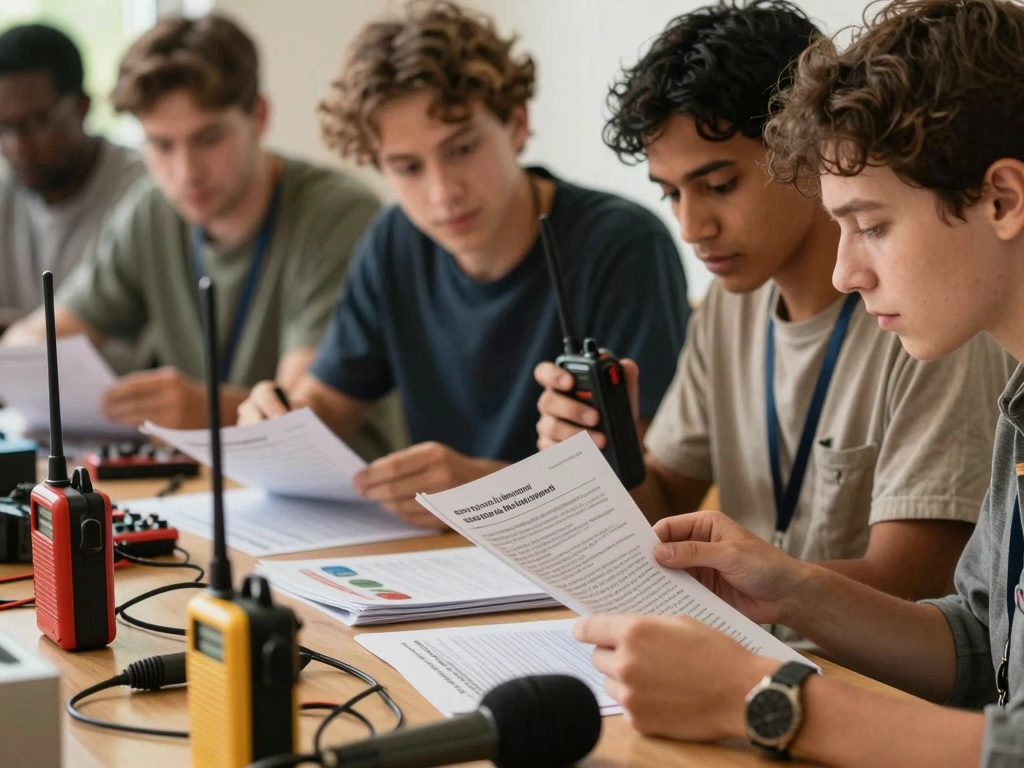
On the day of the exam, arrive early to allow time for check-in and to gather your materials. Bring a valid photo ID, a copy of your current license (if applicable), and any necessary fees, which typically range from $10 to $15. The exam will consist of multiple-choice questions, and you will have a set amount of time (usually 90 minutes) to complete it. Ensure that you read each question carefully and answer to the best of your ability.
Understanding the Grading Process
After the exam, the VEs will grade your paper. If you pass, you will receive a Certificate of Successful Completion of Examination (CSCE), which allows you to apply for your amateur radio license. The passing score for the Technician, General, and Extra Class exams is 74% or higher. If you do not pass, don’t be discouraged; you can retake the exam after a waiting period, and many hams have experienced multiple attempts before achieving success.
Post-Licensing: Getting On the Air
Selecting Your First Radio Equipment
Once you have obtained your amateur radio license, the next step is selecting the right equipment to get on the air. For beginners, a VHF/UHF transceiver is a great starting point. Popular models include:
- Yaesu FT-60R: A dual-band handheld transceiver that is user-friendly and versatile for local communications.
- Kenwood TM-281A: A compact mobile transceiver that offers excellent performance and is perfect for both mobile and base station use.
As you progress, you may want to invest in HF equipment for long-distance communication. Brands like Icom and Elecraft offer high-quality HF transceivers suitable for all levels of expertise.
Understanding Operating Procedures
As a new ham, it's crucial to familiarize yourself with operating procedures and etiquette. Joining local nets, participating in contests, and listening to experienced operators will help you learn the ropes. Common operating procedures include using proper call signs, waiting for breaks in conversations, and adhering to band plans to avoid interference with other operators.
Joining Amateur Radio Clubs and Communities
Joining an amateur radio club can significantly enhance your experience as a new operator. Local clubs often offer resources, mentorship, and opportunities to participate in group activities such as field days and emergency preparedness drills. Websites like ARRL provide directories to find clubs in your area. Engaging with fellow hams can also lead to valuable friendships and networking opportunities.
Continuing Education and Upgrading Your License
Benefits of Upgrading Your License Class
As you grow in your amateur radio journey, you may wish to upgrade your license class. Upgrading to General or Extra Class allows access to additional frequency bands, increased power limits, and more diverse modes of communication. This can enhance your operating experience and open the door to new opportunities in the hobby, such as participating in DX (long-distance) contests and special events.
Advanced Learning Resources
To prepare for upgrading your license, consider utilizing advanced study materials. Resources such as "The ARRL Extra Class License Manual" and online platforms like HamStudy.org provide in-depth information and practice exams tailored to higher-level knowledge. Engaging with these materials can help you build confidence and competence before taking the upgrade exam.
Participating in Hamfests and Conventions
Hamfests and conventions are fantastic opportunities for amateur radio enthusiasts to gather, exchange ideas, and learn about the latest technologies. Events such as the Dayton Hamvention and the Orlando Hamcation offer workshops, presentations, and a marketplace for buying and selling equipment. Participating in these events not only enriches your knowledge but also helps you connect with the broader ham radio community.