The Evolution of AI Data Centers
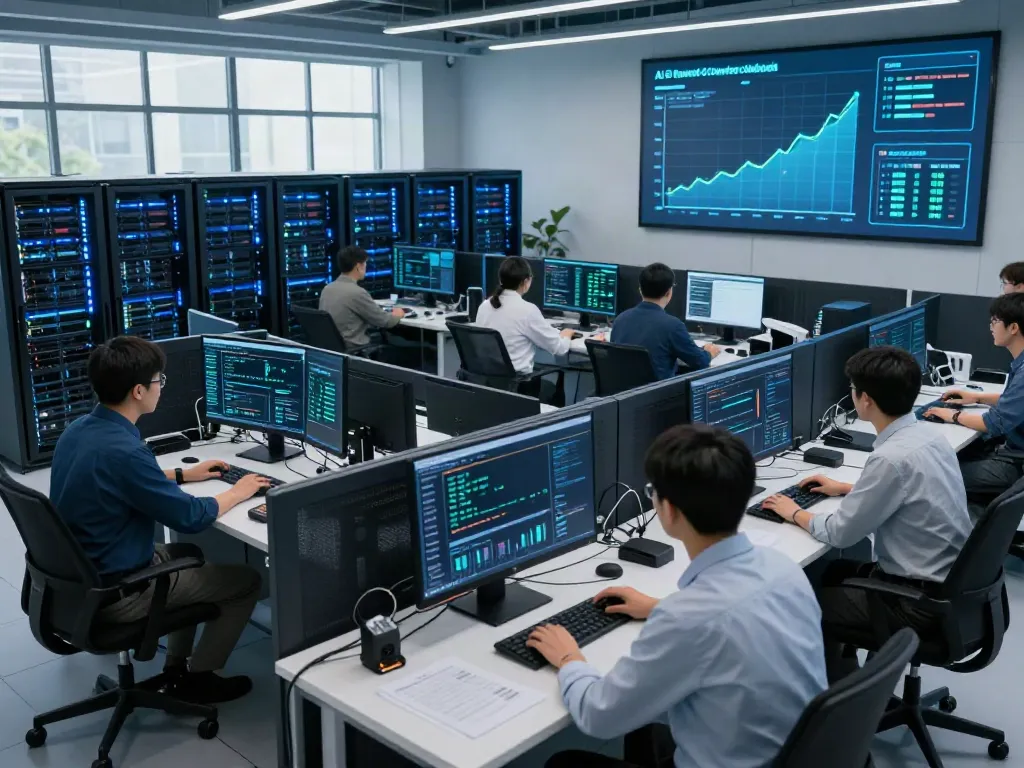
As the demand for artificial intelligence (AI) applications continues to surge, the infrastructure that supports these technologies is evolving rapidly. At the heart of this transformation lies the AI data center, a specialized facility designed to handle the unique computational needs of AI workloads. Unlike traditional data centers, which serve a broad range of computing tasks, AI data centers focus on high-performance computing, particularly utilizing Graphics Processing Units (GPUs) to facilitate complex machine learning algorithms and data processing tasks. When exploring options, AI data center solutions provide comprehensive insights into the infrastructure landscape that is crucial for driving AI innovation.
Understanding AI Data Centers and Their Unique Features
AI data centers are built to accommodate the intensive processing requirements of AI applications. They typically feature high-density configurations that incorporate advanced cooling systems to manage the substantial heat generated by GPU clusters. These facilities are optimized for parallel processing, enabling them to execute vast computational tasks efficiently. The architectural design of AI data centers also prioritizes low-latency connectivity to ensure rapid data transfer, a critical factor for real-time AI applications.
Key Differences Between AI and Traditional Data Centers
While both AI and traditional data centers serve the purpose of housing computing resources, several key differences set them apart. Traditional data centers often rely on Central Processing Units (CPUs) for a variety of computing tasks, including storage, networking, and application hosting. In contrast, AI data centers focus on leveraging the unparalleled computational power of GPUs, which are specifically designed to handle the parallel processing demands of machine learning and deep learning. Additionally, AI data centers typically implement custom architectures that prioritize AI workload efficiency, including enhanced power management systems and more sophisticated data management capabilities.
The Role of GPUs in AI Workflows
Graphics Processing Units (GPUs) play a pivotal role in the operations of AI data centers. They are designed to perform complex mathematical calculations at high speeds, making them ideal for training and inference in AI models. By utilizing numerous cores to process tasks simultaneously, GPUs significantly reduce the time required to train models on large datasets, a necessity for developing efficient AI systems. The effectiveness of GPUs has led many organizations to invest heavily in AI data center infrastructure to maximize their AI capabilities.
Power Efficiency in AI Data Centers
As AI data centers become increasingly vital to business operations, power efficiency has emerged as a focal point for optimization. With the rising energy costs and sustainability concerns, AI facilities must implement strategies to minimize power consumption while maximizing computational output.
How Energy Consumption Impacts AI Operations
AI data centers consume substantial amounts of electricity to maintain GPU operations and support extensive cooling systems. This energy demand can lead to increased operational costs and a significant carbon footprint if not managed effectively. Consequently, understanding the relationship between energy consumption and AI operations is crucial. Efficient power use not only reduces costs but also contributes to the overall sustainability of the data center, aligning with global initiatives to combat climate change.
Innovative Power Solutions for Sustainability
To meet the growing demands for power efficiency, AI data centers are exploring innovative solutions, such as enhanced cooling technologies, renewable energy sources, and energy-efficient hardware. Implementing these strategies can help facilities reduce their reliance on traditional energy sources while promoting sustainability. For example, utilizing solar or wind energy can substantially decrease greenhouse gas emissions associated with AI data center operations.
Measuring Efficiency in AI Data Center Infrastructure
Measuring the efficiency of AI data centers involves monitoring several key performance indicators (KPIs), such as Power Usage Effectiveness (PUE) and data throughput rates. PUE is a ratio that compares total building energy usage to the energy used by IT equipment alone. Facilities strive for a lower PUE, indicating better energy efficiency. By continuously analyzing these metrics, data center operators can identify areas for improvement and implement strategies to enhance overall operational efficiency.
Participating in the AI Token Economy
The emergence of the AI Token Economy introduces new opportunities for businesses and individuals to engage with AI infrastructure. This innovative ecosystem leverages tokenization to measure, reward, and incentivize participation in AI workloads and services.
What Are AI Tokens and Their Purpose?
AI tokens are units used to measure the usage of AI models, akin to how kilowatt-hours measure electricity consumption. These tokens represent the computational resources consumed during the processing of AI workloads, enabling transparency in usage and billing. They allow users to participate in the AI Token Economy by quantifying their contributions and rewarding them based on actual usage metrics.
Your Role in Supporting AI Infrastructure
Individuals and organizations can take part in the AI Token Economy by selecting participation plans that align with their goals. By supporting the electricity and computational capacity needed for AI workloads, participants become integral to the infrastructure that underpins AI services. Through various plans, users can contribute resources and receive rewards based on their participation levels, thereby fostering a collaborative environment within the AI ecosystem.
Calculating Your Contribution Rewards
Reward calculations in the AI Token Economy are based on verified contributions to AI infrastructure. Each plan outlines specific parameters that govern how rewards are calculated, including the volume of tokens processed and the level of power support provided. Participants can monitor their contributions through the platform, ensuring transparency and accountability in the reward process.
Future Trends in AI Data Centers
The landscape of AI data centers is continually evolving, driven by technological advancements and market demands. Future trends will undoubtedly shape the development of these facilities as they adapt to the needs of the AI ecosystem.
Technological Advancements Shaping AI Infrastructure
Emerging technologies such as edge computing, quantum computing, and advanced networking solutions are poised to redefine AI data centers. Edge computing, in particular, enables data processing closer to the source, reducing latency and improving efficiency in AI applications. Quantum computing holds the potential to revolutionize AI by solving complex problems that are currently beyond the capabilities of traditional computers.
Predictions for AI Data Center Development in 2026
By 2026, it is anticipated that AI data centers will be more automated and integrated with AI-driven management systems. These innovations will enhance operational efficiency, resource allocation, and predictive maintenance capabilities. Additionally, as the global emphasis on sustainability grows, AI data centers will likely prioritize energy-efficient designs and renewable energy sources, aligning with corporate responsibility goals.
Challenges and Opportunities Ahead
While the future of AI data centers presents significant opportunities, several challenges must be addressed. Managing the rapid scale of AI workloads, ensuring cybersecurity, and navigating regulatory frameworks are all critical factors that will influence the evolution of AI infrastructure. Adapting to these challenges will be essential for organizations to thrive in the competitive AI landscape.
Frequently Asked Questions about AI Data Centers
What is an AI data center?
An AI data center is a specialized facility designed to support the needs of artificial intelligence workloads, particularly those relying on GPUs for processing. These centers have unique architectural and operational characteristics tailored to the demands of AI applications.
Where are most AI data centers located?
AI data centers are typically located in regions with favorable energy prices, robust infrastructure, and access to advanced technology ecosystems. Major tech hubs such as Silicon Valley, Austin, and parts of China have seen significant investments in AI data center development.
What distinguishes AI data centers from traditional facilities?
AI data centers primarily utilize GPUs for their parallel processing capabilities, while traditional data centers often rely on CPUs. Additionally, AI facilities emphasize low-latency connections, higher power densities, and enhanced cooling solutions to support the intensive computational workloads of AI applications.
How do AI data centers contribute to sustainability?
Many AI data centers are adopting sustainable practices by utilizing renewable energy sources, optimizing power management systems, and improving energy efficiency. These initiatives help reduce carbon emissions and promote a more environmentally responsible approach to data center operations.
What are the benefits of participating in the AI token economy?
Participating in the AI token economy enables individuals and organizations to engage with and contribute to AI infrastructure while receiving rewards for their contributions. It fosters a collaborative approach to AI development and allows participants to gain insights into their resource usage and impact on the broader AI ecosystem.