Understanding the Mini Split AC System
The mini split AC system is an innovative climate control solution that has gained popularity in both residential and commercial settings. Unlike traditional air conditioning systems that rely on ductwork, mini splits offer a ductless option for heating and cooling individual rooms or zones. This adaptability makes them an appealing choice for many homeowners and business owners seeking efficient temperature regulation. When exploring options, mini split ac system provides comprehensive insights into features, brands, and installation processes, transforming how spaces are cooled or heated.
What is a Mini Split AC System?
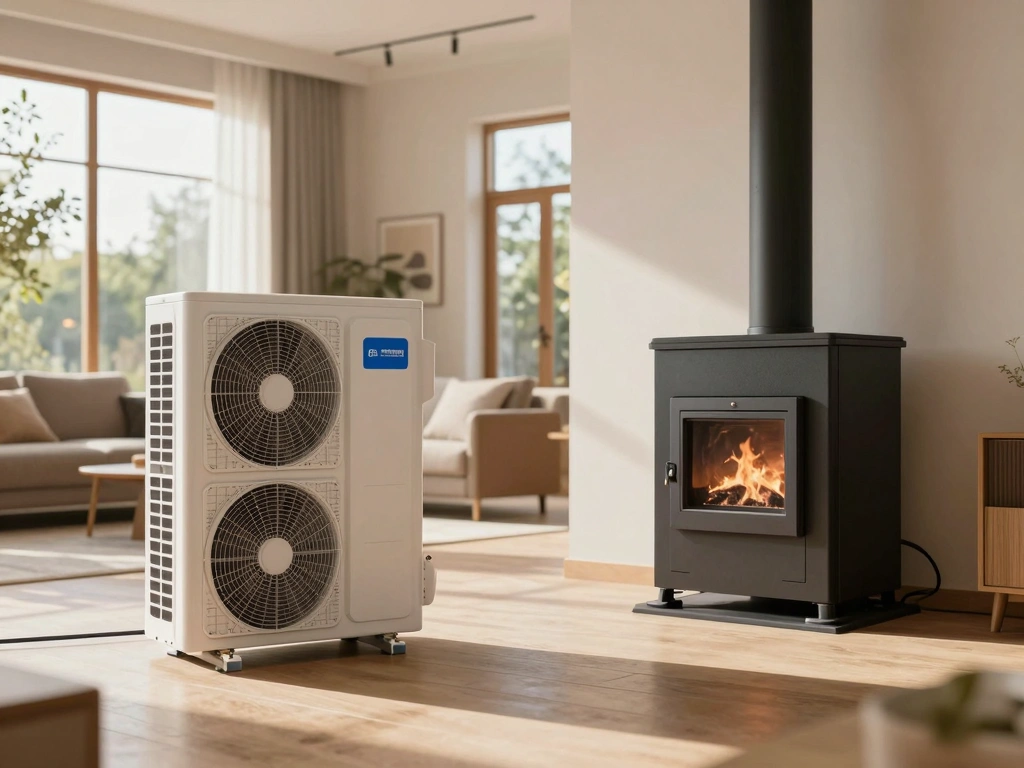
A mini split AC system, often referred to as a ductless air conditioning system, consists of an outdoor compressor/condenser unit and one or more indoor air-handling units. This configuration allows for zoning, where each indoor unit can be controlled independently, catering to the specific temperature preferences of different rooms. The flexibility in installation and operation makes mini splits an ideal choice for various applications, from single-family homes to larger commercial environments.
Key Components of Mini Split AC Systems
- Outdoor Unit: This component houses the compressor and condenser and is responsible for dissipating heat extracted from indoors.
- Indoor Units: These units circulate air within individual rooms and can be wall-mounted, ceiling-mounted, or even recessed into the ceiling for a more seamless look.
- Refrigerant Lines: A set of insulated tubing connects the outdoor and indoor units, transporting refrigerant to facilitate the heat exchange process.
- Control System: Most mini split systems come with remote controls or wall-mounted thermostats to adjust temperature settings conveniently.
Benefits of Using a Mini Split AC System
Mini split AC systems present numerous advantages, making them a popular choice among homeowners and businesses alike:
- Energy Efficiency: These systems are designed to use less energy than traditional HVAC units, potentially reducing electricity bills.
- Easy Installation: Since they require no ductwork, installation is often quicker and less invasive, making them suitable for both new and existing structures.
- Zoning Capability: With multiple indoor units, mini splits enable zoned heating and cooling, allowing users to customize comfort in each room.
- Quiet Operation: Many models operate quietly, enhancing comfort without the disruptive noise often associated with traditional systems.
Common Challenges with Mini Split AC Systems
Installation Misconceptions to Avoid
While mini split systems have many benefits, misconceptions about their installation can deter potential users. Some people mistakenly believe that these systems can be easily plugged in like window units. In reality, professional installation is essential to ensure proper refrigerant charging and electrical connections. Additionally, overlooking the requirement for proper insulation around refrigerant lines can lead to performance issues.
Maintenance Tips for Longevity and Performance
To ensure a mini split AC system performs optimally, regular maintenance is critical. Here are some maintenance tips to consider:
- Clean the Filters: Indoor units typically have filters that should be cleaned or replaced regularly to maintain efficiency.
- Inspect Drains: Ensure that the condensate drain lines are clear to prevent water damage and ensure proper drainage.
- Schedule Professional Maintenance: Annual inspections by HVAC professionals can identify potential issues before they become significant problems.
Understanding Energy Efficiency Ratings
Energy efficiency ratings are crucial in assessing the performance of mini split systems. Two key metrics to consider are:
- SEER (Seasonal Energy Efficiency Ratio): This rating measures the cooling efficiency of the system over a season. Higher SEER ratings indicate better energy efficiency.
- HSPF (Heating Season Performance Factor): This rating indicates heating efficiency. Higher HSPF ratings suggest better performance in heating mode.
Comparing Mini Split AC Systems to Traditional HVAC
Cost Analysis: Mini Split vs. Central Air
When evaluating the cost of mini split systems versus traditional central air conditioning, several factors need to be considered, including initial installation costs, operational efficiency, and maintenance expenses. Generally, mini splits tend to have lower installation costs, especially in homes without existing ductwork. However, the overall long-term savings from energy efficiency should also be factored into the cost analysis.
Performance Metrics: Cooling and Heating Efficiency
In terms of performance, mini split systems often excel in both cooling and heating capabilities, particularly in climates where traditional systems might struggle. They can provide a more consistent temperature throughout each room and can respond quickly to changes in desired settings.
Space Considerations for Installation
Space requirements can significantly influence the choice between mini splits and central HVAC systems. Mini splits require less space for installation since they do not need ductwork. This can be particularly beneficial in homes where space is at a premium or in renovations where traditional ducting is impractical.
Choosing the Right Mini Split AC System for Your Space
Factors to Consider When Selecting Your Unit
When selecting the appropriate mini split AC system, several factors should be considered:
- Room Size: The BTU rating of the system should match the size of the room or area being cooled or heated.
- Installation Location: Consider the placement of indoor units for optimal air distribution and aesthetics.
- Budget: Evaluate initial purchase costs alongside long-term operational costs to ensure the best financial decision.
Popular Brands and Models in 2026
As of 2026, several brands dominate the mini split market, known for their reliability and technology:
- Daikin: Renowned for energy efficiency and advanced technology.
- LG: Offers stylish designs with powerful performance.
- Mitsubishi Electric: Well-known for superior heating capabilities in colder climates.
- Fujitsu: Provides a diverse range of models catering to different space sizes.
Expert Recommendations for Different Environments
Experts often recommend evaluating specific needs based on the environment:
- For smaller spaces like apartments, consider systems with a lower BTU rating for efficiency.
- In larger homes, a multi-zone system that accommodates multiple indoor units can enhance comfort.
- Homes in extreme climates may benefit from brands with proven performance in both heating and cooling.
Future Trends in Mini Split AC Technology
Innovative Features to Look For in 2026
As technology evolves, so do mini split systems, with numerous innovations set to enhance user experience. Features such as variable refrigerant flow (VRF) systems provide greater energy efficiency, while improved filtration systems help maintain indoor air quality. Additionally, improved noise reduction technology is becoming more prevalent, ensuring quieter operation.
Smart Technology Integration in Mini Split Systems
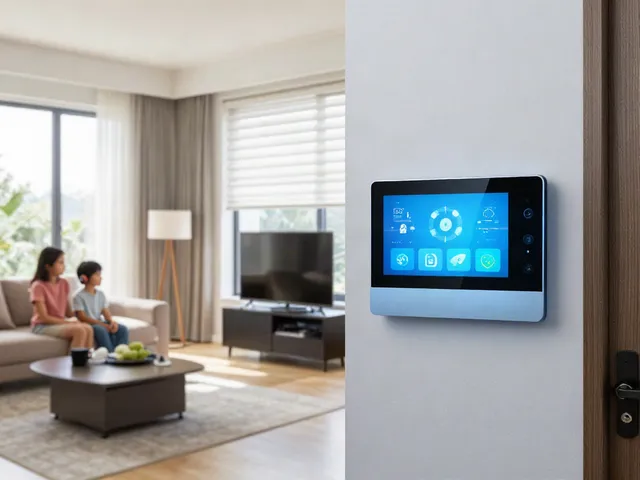
Smart technology is reshaping how users interact with their heating and cooling systems. Many modern mini splits now integrate with smart home systems, allowing users to control temperatures remotely via smartphone apps. These systems often learn user preferences over time, enhancing comfort while optimizing energy consumption.
Environmental Considerations and Sustainability
With a growing awareness of environmental issues, mini split systems are being designed with sustainability in mind. Many units utilize eco-friendly refrigerants and energy-efficient compressors, reducing their carbon footprint. Additionally, the potential for reduced energy consumption through zoning capabilities makes mini splits an appealing choice for environmentally-conscious consumers.
What are the downsides of a mini split AC system?
Despite their advantages, mini split systems have some downsides. Initial costs can be higher compared to traditional systems, and aesthetic preferences may vary as some individuals find the indoor units less visually appealing. Additionally, in extreme temperatures, performance may vary based on the unit's specifications.
What is the typical cost of installing a mini split system?
The installation cost of a mini split system typically ranges from $2000 to $5000, depending on factors such as the number of units required, the complexity of installation, and geographic location. Interested consumers should obtain multiple quotes to ensure they receive a competitive rate.
Why is my electric bill so high with a mini split?
If you notice higher electric bills with your mini split system, it could be due to several factors, including incorrect unit sizing, inefficient usage practices, or inadequate insulation in the spaces being cooled or heated. Regular maintenance can help, as can consulting with a professional to evaluate your system's efficiency.
How many zones can a mini split AC system cover?
Mini split AC systems can cover multiple zones, with many systems designed to support up to eight indoor units connected to a single outdoor unit. This capability allows for tailored heating and cooling in various rooms or areas.
Are mini split systems worth it for heating?
Yes, mini split systems can be highly effective for heating, particularly in moderate climates. Their ability to provide consistent temperatures and energy efficiency makes them a compelling option for those seeking reliable heating solutions.