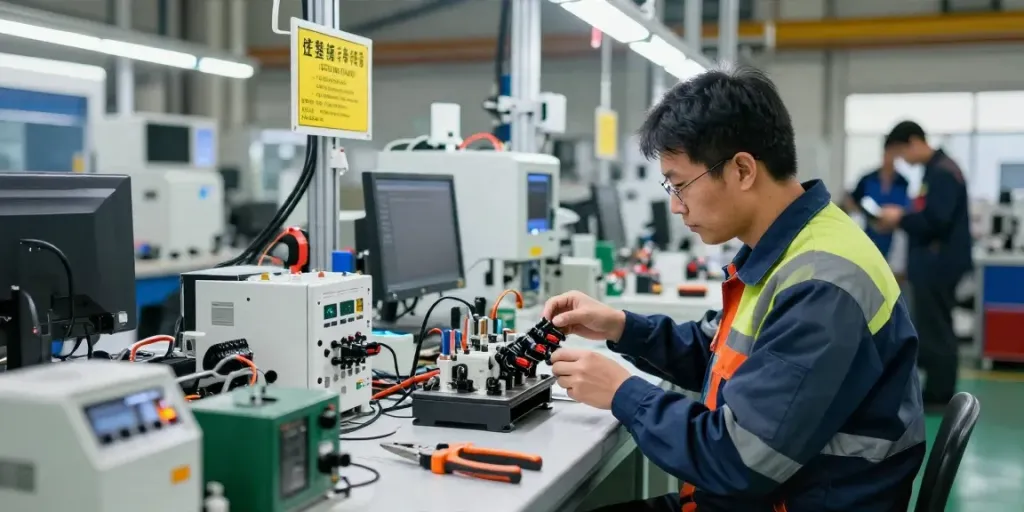
Understanding Industrial Power Connectors
Industrial power connectors play a crucial role in delivering reliable electrical connections in various demanding environments. They are specifically designed to ensure safety and efficiency, handling higher voltages and currents than standard connectors. Understanding their functionality, types, and applications is essential for industries reliant on electrical power. When exploring options, industrial power connectors provide comprehensive insights into the available solutions tailored for diverse applications.
What are Industrial Power Connectors?
Industrial power connectors are specialized devices used to connect electrical equipment to the mains supply. They are designed to withstand harsh conditions and support high current and voltage levels, making them indispensable in settings such as factories, construction sites, and commercial establishments. These connectors ensure uninterrupted power delivery to various machines and equipment, significantly reducing the risk of electrical failures.
Types of Industrial Power Connectors
There are several types of industrial power connectors, each designed for specific applications and environments. Some of the most common types include:
- IEC Connectors: These are widely used in commercial and consumer electronics. They adhere to international standards by the International Electrotechnical Commission, ensuring safety and compatibility.
- Pin and Sleeve Connectors: Commonly used in heavy-duty applications, these connectors are designed to provide a secure connection for high power demands. Their color-coded system allows for easy identification and safety.
- Multipole Connectors: These can connect multiple circuits simultaneously, making them ideal for complex systems requiring simultaneous power distribution.
- Locking Connectors: Designed to prevent accidental disconnection, these connectors are crucial in environments where stability and safety are paramount.
Applications of Industrial Power Connectors
Industrial power connectors are used across various industries, each with unique requirements. Some notable applications include:
- Manufacturing Equipment: From assembly lines to heavy machinery, industrial connectors ensure that manufacturing equipment operates smoothly and reliably.
- Construction Sites: Temporary setups on construction sites rely on durable connectors to power tools and machinery, ensuring safety and efficiency.
- Medical Equipment: In healthcare settings, reliable power delivery is critical. Industrial connectors support medical devices, ensuring they function correctly without interruptions.
- Telecommunications: These connectors help maintain the integrity of power supply to critical infrastructure like data centers, ensuring continuous operations.
Benefits of High-Quality Industrial Power Connectors
Investing in high-quality industrial power connectors offers numerous advantages that can enhance operational efficiency and safety. Understanding these benefits is essential for businesses aiming to optimize their electrical systems.
Enhanced Safety Standards
Quality industrial power connectors meet stringent safety standards, reducing the risk of electrical failures and accidents. These connectors are designed with robust materials that can withstand environmental stresses and prevent electrical hazards. Regular inspections and adherence to safety regulations help maintain high safety levels in industrial settings.
Improved Performance and Reliability
High-quality connectors are engineered for consistent performance. They offer low resistance and high conductivity, ensuring that electrical equipment functions efficiently without power loss. This reliability translates into minimized downtime and increased productivity, which are critical metrics for any industrial operation.
Cost-Effectiveness Over Time
While high-quality industrial power connectors may have a higher initial cost, their durability and reliability lead to long-term savings. Reduced maintenance, fewer replacements, and minimized downtime collectively contribute to a lower total cost of ownership, making them a worthwhile investment for businesses.
Common Challenges in Selecting Industrial Power Connectors
Choosing the right industrial power connectors can present challenges that require careful consideration. Understanding these challenges can aid in making informed decisions.
Identifying the Right Specifications
One of the primary challenges is determining the appropriate specifications for the intended application. Factors such as voltage rating, current capacity, and environmental conditions must be assessed to select the most suitable connector. Consulting with suppliers and leveraging their expertise can help mitigate this challenge.
Managing Supply Chain and Manufacturer Relations
Reliable sourcing of industrial power connectors requires effective management of supply chain relationships. Establishing strong connections with reputable manufacturers can ensure consistent supply and quality. Companies should prioritize partnerships with manufacturers that offer transparent communication and support.
Avoiding Common Misconceptions
Misconceptions about industrial connectors can lead to poor purchasing decisions. For instance, assuming that all connectors are interchangeable can result in safety risks and equipment failures. Educating stakeholders about the specific needs and characteristics of industrial power connectors is crucial for improving decision-making processes.
Best Practices for Implementing Industrial Power Connectors
Implementing industrial power connectors effectively requires adherence to best practices that enhance safety and reliability.
Key Considerations for Installation
Proper installation of industrial power connectors is vital for ensuring safe and efficient operation. Key considerations include:
- Site Assessment: Conduct a thorough assessment of the installation site to ensure compatibility with the selected connectors.
- Adherence to Codes: Following local electrical codes and regulations is crucial to ensure safe installation and operation.
- Professional Installation: Using qualified personnel for installation minimizes the risk of errors that could compromise safety.
Testing and Quality Assurance Procedures
Implementing routine testing and quality assurance procedures can help ensure that industrial power connectors maintain their performance over time. Regular inspections and functionality tests help identify potential issues before they escalate, ensuring continuous operation.
Maintenance Tips for Longevity
To maximize the lifespan of industrial power connectors, consider the following maintenance practices:
- Regular Cleaning: Dust and debris can impact connector performance. Regular cleaning helps maintain optimal function.
- Environmental Protection: Protect connectors from harsh environmental factors. Utilize protective covers and enclosures as needed.
- Monitor Connections: Regularly inspect connections for signs of wear or damage to ensure ongoing reliability.
Future Trends in Industrial Power Connections
The landscape of industrial power connections is continuously evolving. Staying informed about emerging trends and technologies is essential for businesses seeking to enhance their electrical systems.
Emerging Technologies in Power Connector Design
Advancements in materials and technology are leading to more innovative connector designs. For example, connectors that offer integrated data transmission alongside power delivery are becoming increasingly popular in various industries. These multifunctional connectors can streamline installations and enhance operational efficiency.
Sustainability Trends Impacting the Industry
As sustainability becomes a priority, connectors designed for energy efficiency are gaining traction. Manufacturers are focusing on producing components that minimize energy loss and support eco-friendly practices. This trend aligns with global efforts to reduce emissions and promote sustainable manufacturing processes.
Predicted Market Changes for 2026 and Beyond
The industrial power connector market is expected to experience significant growth due to the increasing demand for automation and smart technologies in various sectors. Adapting to these changes will require manufacturers to innovate continuously and meet the evolving needs of industries.
What are the different types of industrial connectors?
Industrial connectors come in various types, including IEC connectors, pin and sleeve connectors, multipole connectors, and locking connectors, each serving specific applications and providing unique advantages.
What are industrial plugs called?
Industrial plugs are commonly referred to as heavy-duty connectors, power connectors, or industrial power connectors, designed to facilitate secure power connections in demanding environments.
What are the different types of industrial electrical plugs?
Common types of industrial electrical plugs include NEMA plugs, IEC plugs, CEE plugs, and pin and sleeve plugs, each designed for specific power requirements and environmental conditions.
What are the different types of power connectors?
Power connectors vary widely, including standard AC connectors, DC connectors, industrial connectors, and specialized connectors for unique applications, each designed to meet particular performance and safety standards.