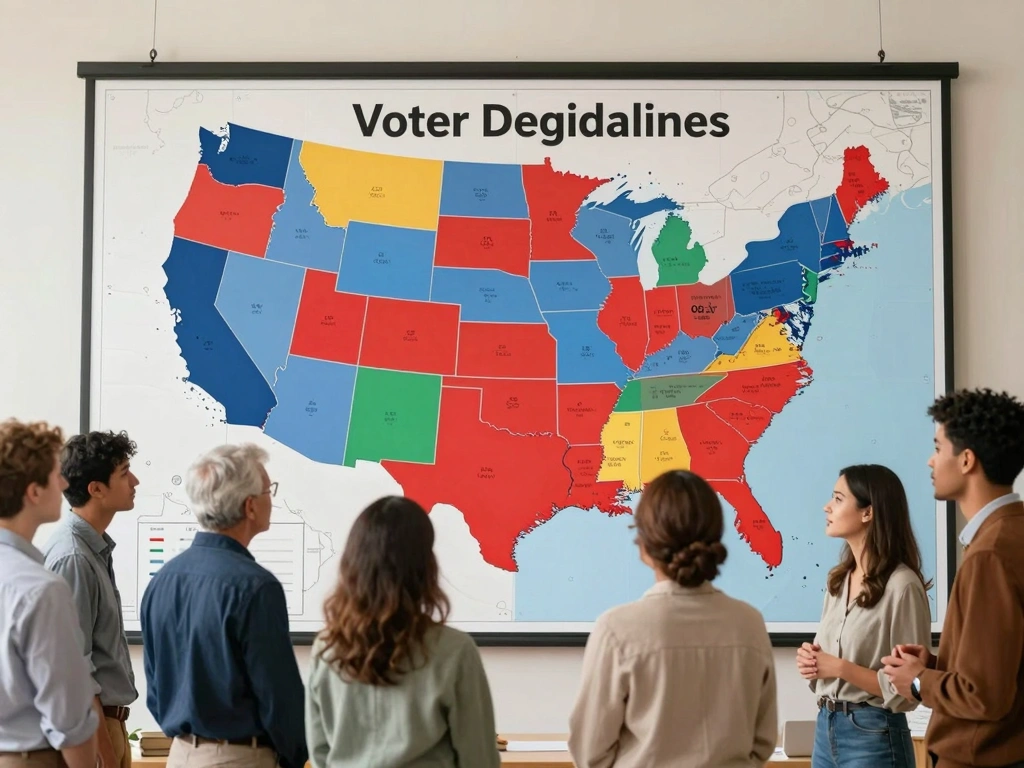
Overview of Voter Registration Deadlines Across the United States

Voter registration deadlines are a critical aspect of the electoral process in the United States. These deadlines determine the last date by which individuals must register to vote in order to participate in upcoming elections. Understanding these deadlines is essential not only for voters but also for policymakers and advocacy organizations that aim to increase voter participation.
Importance of Voter Registration Deadlines
Voter registration deadlines serve several important functions. Firstly, they help election officials manage the logistics of upcoming elections, including ballot printing and staffing polling places. Secondly, they can significantly impact voter turnout. Research indicates that states with more accessible registration processes, including later deadlines, tend to experience higher voter participation rates.
General Trends in State Deadlines
Across the United States, voter registration deadlines can vary widely. Most states require voters to register at least 15 to 30 days before an election. However, some states have opted for more flexible registration options, allowing individuals to register on the same day as the election. This trend toward same-day registration reflects a growing recognition of the need to make participation in democracy as accessible as possible.
Variability in Registration Methods
States employ various methods for voter registration, which can further complicate the landscape of deadlines. Some states allow online registration, while others require registration by mail or in person. Additionally, some states have implemented automatic voter registration, where eligible citizens are registered to vote when they interact with certain government agencies. These differing methods can affect how and when individuals can register, ultimately influencing voter participation.
State-Specific Voter Registration Deadlines
Summary of Key States with Early Deadlines
Certain states have established early voter registration deadlines that can significantly affect the ability of citizens to participate in elections. For example:
- California: Voters must register 15 days before an election.
- Texas: The deadline is also set at 30 days before an election, which can create barriers for potential voters.
- Florida: Similar to Texas, Florida requires registration 29 days prior to elections.
These early deadlines can present challenges, particularly for individuals who may not have access to information about when elections are taking place or who may face other barriers to timely registration.
States with Same-Day Registration Options
In contrast, several states have implemented same-day registration, allowing voters to register and cast their ballots on the same day. This approach has been found to increase voter turnout significantly. States that offer this option include:
- Wisconsin: Voters can register on election day at their polling place.
- New Hampshire: Also allows same-day registration, where residents can register when they arrive to vote.
- Maine: Offers same-day registration and has one of the highest voter turnout rates in the country.
Same-day registration can empower individuals who may have missed earlier deadlines or who are newly eligible to vote, thereby fostering a more inclusive electoral process.
States with Extended Registration Periods
Some states have taken steps to extend their voter registration periods, recognizing the importance of making the process accessible. For instance:
- California: Allows voters to register online up to 15 days before an election, and offers same-day registration at polling places.
- Colorado: Offers online registration and same-day registration for both in-person and mail-in voters, allowing registration up to and including election day.
- Oregon: Implements automatic voter registration and online registration, expanding opportunities for citizens to register.
These extended registration options can lead to higher participation rates, as they accommodate a wider range of voters and their varying circumstances.
Impact of Registration Deadlines on Voter Turnout
Analysis of Voter Turnout Rates by Deadline Type
The relationship between voter registration deadlines and turnout rates is significant. Studies consistently show that states with more accessible registration processes, including later deadlines and same-day registration, tend to experience higher voter turnout. For example, Wisconsin, with same-day registration, saw a turnout of approximately 70% in the 2020 presidential election. In contrast, states with stricter deadlines, such as Texas, reported turnout rates around 60% during the same election cycle.
Case Studies of States with High Turnout
Examining states with high voter turnout provides insight into the impact of voter registration deadlines. For instance:
- Maine: With same-day registration, Maine consistently ranks among the top states for voter turnout, achieving rates of 79% in recent elections.
- Minnesota: Known for its robust voter engagement efforts, Minnesota allows same-day registration and has consistently recorded turnout rates above 70%.
- Colorado: The state’s combination of automatic registration, online registration, and same-day registration led to a turnout rate of approximately 76% in the 2020 election.
These examples illustrate how states that prioritize accessible registration options can foster higher levels of civic engagement.
Challenges Faced by States with Tight Deadlines
States that maintain strict voter registration deadlines often face challenges regarding voter participation. Issues include:
- Lack of Awareness: Many potential voters are unaware of registration deadlines, leading to missed opportunities to participate.
- Logistical Barriers: Individuals may face difficulties accessing registration resources, particularly in rural or underserved areas.
- Disenfranchisement: Strict deadlines can disproportionately affect marginalized communities, resulting in disenfranchisement.
Addressing these challenges requires a concerted effort from both state officials and advocacy groups to ensure that all citizens have equal access to the electoral process.
Legal Framework Governing Voter Registration Deadlines
Federal Laws Affecting State Deadlines
The legal framework governing voter registration deadlines is shaped by both federal and state laws. At the federal level, the National Voter Registration Act (NVRA) mandates that states offer voter registration opportunities and establishes guidelines for registration processes. However, the NVRA does not dictate specific deadlines, allowing states to set their own timelines.
State Legislation and Its Variations
State legislation can vary widely concerning voter registration deadlines and methods. Some states have chosen to implement laws that facilitate easier registration, such as automatic voter registration, while others maintain strict deadlines with limited options for registration. This variability can lead to significant differences in voter participation across the country.
Judicial Challenges to Voter Registration Laws
Judicial challenges have also occurred concerning voter registration laws, particularly in states with strict deadlines or controversial registration practices. Courts have ruled on cases involving voter ID laws, purging of voter rolls, and the legality of same-day registration. These legal battles can have wide-ranging implications for how states approach voter registration and the accessibility of the electoral process.
Resources for Understanding and Meeting Registration Deadlines
Official State Election Websites
Each state has its own election office website, which provides specific information about voter registration deadlines, methods, and requirements. Voters should consult these resources to ensure they have the most accurate and up-to-date information for their state.
Voter Advocacy Organizations
Numerous advocacy organizations work to promote voter registration and participation. Organizations such as the League of Women Voters and Rock the Vote provide tools and resources to help individuals navigate the registration process and understand deadlines.
Tools for Tracking Registration Deadlines
Various online tools and platforms offer assistance in tracking voter registration deadlines. Websites like Vote.org and the National Association of Secretaries of State provide comprehensive resources to help individuals stay informed about when and how to register to vote.
In conclusion, understanding voter registration deadlines is crucial for fostering an inclusive electoral process. By recognizing the variability across states and the impact of these deadlines on voter turnout, stakeholders can work towards creating a more accessible democracy for all citizens.