Understanding Smart Home Automation
As technology continues to evolve, the concept of smart home automation has become increasingly prevalent in modern living. Smart technology allows homeowners to enhance their living environments with innovative solutions that improve convenience, security, and energy efficiency. From smart locks to advanced audio systems, the landscape of smart homes is expanding, offering a variety of products from reputable brands, such as جهان اسمارت. In this guide, we will explore the essentials of smart home automation, the key benefits it provides, and how you can begin transforming your own home.
What is Smart Home Technology?
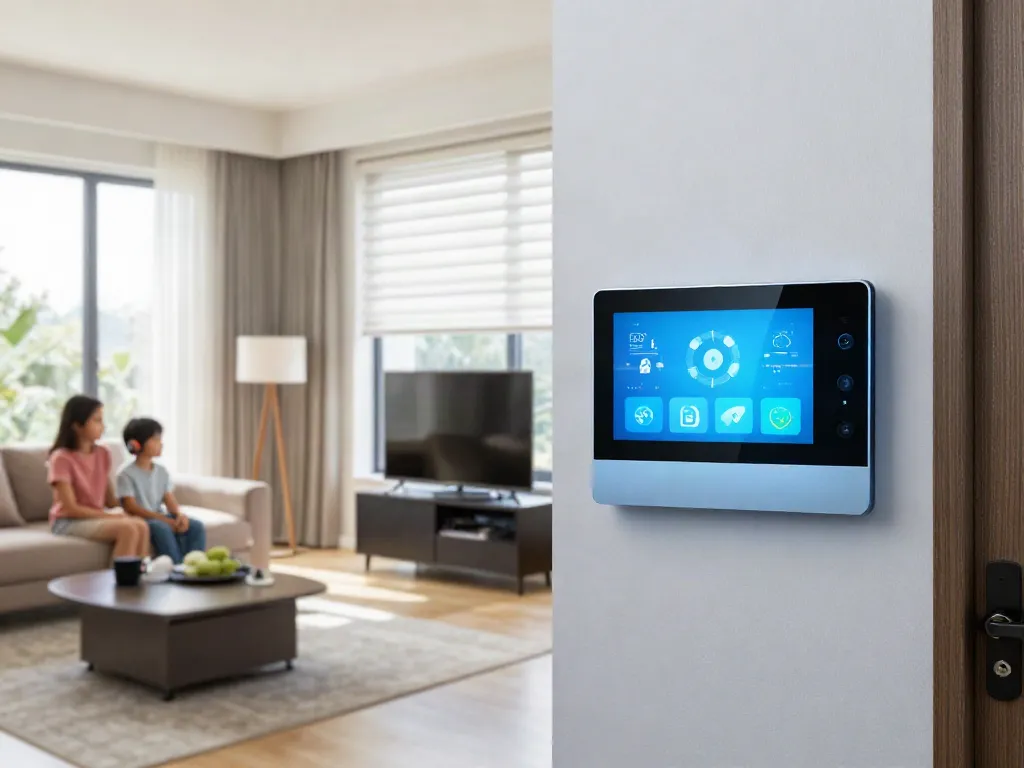
Smart home technology refers to systems and devices that connect to a common network, allowing homeowners to control various aspects of their home through mobile apps, voice commands, or automated routines. This can include everything from lighting and climate control to security systems and home entertainment. The core premise is to create an integrated system that enhances the user's lifestyle and adapits to their preferences.
The Evolution of Smart Homes
The concept of smart homes dates back several decades, but the significant advancements in Internet of Things (IoT) technology have catalyzed rapid growth in this sector. Initially, smart home devices were limited to basic automated controls, such as programmable thermostats. Today, the market has evolved to include sophisticated AI-driven systems capable of learning from user behavior and making autonomous decisions to optimize comfort and efficiency.
Key Benefits of Implementing Smart Solutions
- Convenience: Control your home remotely through smartphones or voice commands.
- Energy Efficiency: Monitor and manage energy consumption to lower utility bills.
- Enhanced Security: Integrate smart locks and surveillance systems for improved safety.
- Increased Comfort: Tailor your living space to meet your specific needs and preferences.
- Scalability: Start small and expand your system as your needs grow.
Smart Audio Systems: The Heart of Home Automation
One of the most popular smart home solutions is the smart audio system. These systems are designed to seamlessly integrate into the smart home ecosystem, providing high-quality sound and convenience. With options ranging from ceiling-mounted speakers to smart speakers, homeowners can enhance their audio experience while enjoying the benefits of automation.
Overview of Smart Audio Systems
Smart audio systems allow users to stream music, podcasts, and other audio content throughout their homes. Many systems can be controlled via mobile apps or voice commands, and some even include features like multi-room audio, enabling users to play different audio in different areas of the house.
Top Features to Look For
- Compatibility: Ensure the system works with existing smart home devices.
- Control Options: Look for voice control capabilities and app integration.
- Sound Quality: Choose high-fidelity systems for the best audio experience.
- Customizability: Consider systems that allow for personalized sound settings.
Integrating Audio Systems with Home Automation
Integrating smart audio systems with other smart devices can enhance their functionality significantly. For instance, audio alerts from security systems can be programmed to play through your smart speakers, or your music can pause automatically when a doorbell is pressed. This seamless integration creates a more cohesive and user-friendly smart home environment.
Your Guide to Selecting Smart Security Products
When it comes to securing your home, investing in smart security products is essential. These devices not only provide peace of mind but also integrate with other smart home systems to offer enhanced functionality.
Types of Smart Locks and Their Benefits
Smart locks come in various forms, including keyless entry systems, smart deadbolts, and biometric locks that utilize fingerprint recognition. These locks provide a higher level of security and allow users to control access remotely, ensuring that they can manage who enters their home and when.
Understanding Facial Recognition Technology
Some of the latest advancements in smart locks involve facial recognition technology, which adds an extra layer of security. By using advanced algorithms, these locks can identify registered individuals and grant access automatically, eliminating the need for physical keys.
Choosing the Right Smart Security for Your Home
When selecting smart security products, consider your specific needs, such as the layout of your home, potential vulnerabilities, and your preferred method of monitoring (e.g., via smartphone or a dedicated security panel). It's important to choose products that offer compatibility and integration, allowing you to build a comprehensive security system that works seamlessly together.
Innovative Smart Devices for Modern Living
The landscape of smart home devices is constantly changing, with new innovations emerging regularly. Here are some of the latest trends and devices that can enhance your home automation experience.
Latest Trends in Smart Home Devices
From smart sensors that monitor air quality to advanced surveillance cameras capable of tracking movement, the range of smart devices available today is extensive. Trends indicate a growing focus on sustainability, with many manufacturers creating energy-efficient products that help reduce the carbon footprint of homes.
Smart Lighting: Enhancing Ambiance and Security
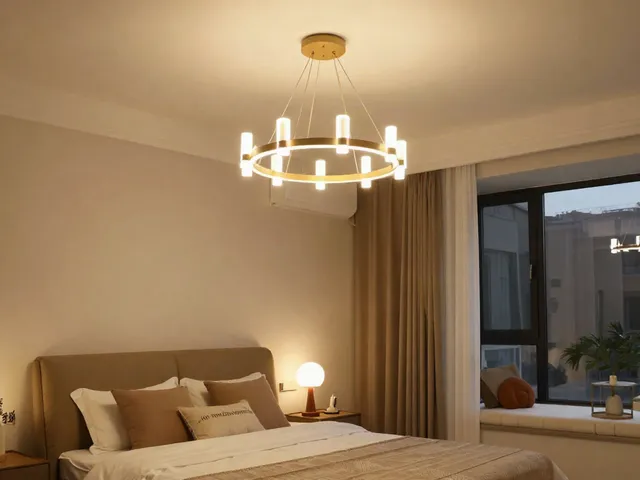
Smart lighting systems allow users to control the intensity and color of light in their homes, creating the perfect ambiance for any occasion. Additionally, smart lights can be programmed to simulate occupancy when homeowners are away, deterring potential intruders.
Home Climate Control: Smart Thermostats Explained
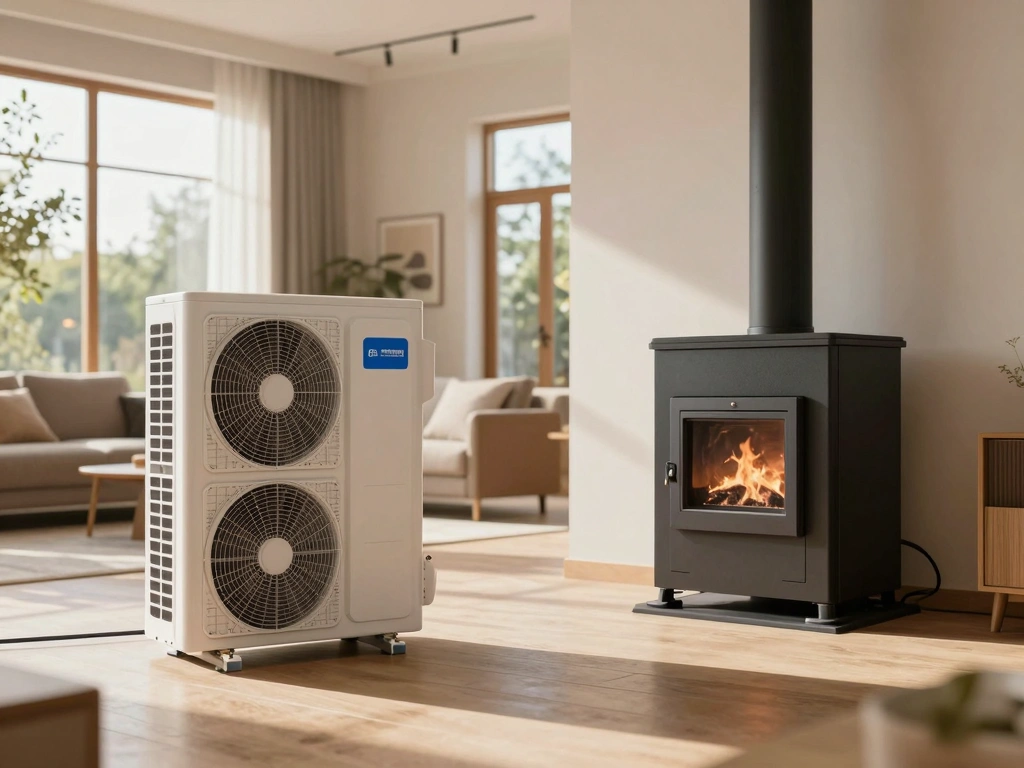
Smart thermostats are a key component of smart home systems, allowing for precise temperature control and energy savings. These devices can learn user preferences and make adjustments automatically based on occupancy, weather forecasts, and time of day.
Future Trends in Smart Home Technology
As we look ahead to 2026, the future of smart home technology promises even more innovation. Advancements in artificial intelligence and machine learning will enable smarter and more intuitive systems that can adapt to the needs of homeowners in real-time.
Predictions for Smart Home Automation in 2026
By 2026, we can expect smart home technology to be even more integrated and user-friendly. Anticipated developments include enhanced interoperability between devices from different manufacturers and greater reliance on AI for predictive analytics, allowing systems to anticipate user needs based on historical data.
Challenges and Considerations to Keep in Mind
Despite the benefits of smart home technology, challenges such as cybersecurity risks, device compatibility, and user education remain. Homeowners must be vigilant and informed about the products they choose to ensure a secure and efficient smart home experience.
How to Stay Ahead in Home Automation Technology
To stay ahead in the rapidly evolving field of home automation, it's essential to keep up with the latest trends, participate in online forums, and invest in continuous education about new products and technologies. Engaging with communities and experts can provide valuable insights and foster informed purchasing decisions.